After attending my first two photography workshops, I found myself mentally sorting through what worked for me, what didn’t, and what I would pay closer attention to the next time. I didn’t think of it as “criteria” at the time, but looking back, that’s exactly what it was. A quiet, evolving framework built from experience, reflection, and learning.
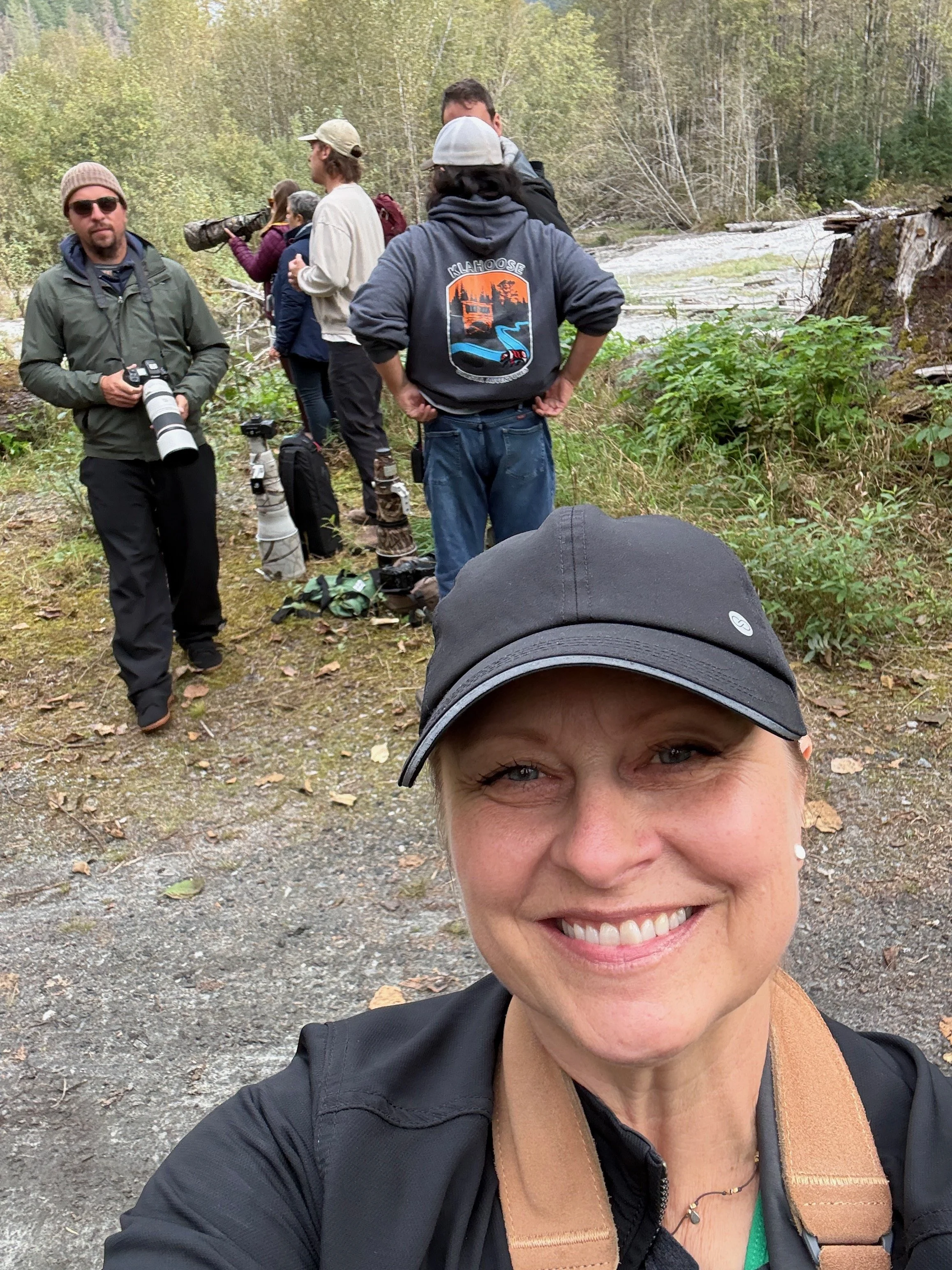
A day in the field at the Artica Grizzly Bear Workshop
This structure didn’t exist before my first workshop. It started to emerge afterward, and after my second workshop, it became clearer. Even if I didn’t fully realize it in the moment, I was creating a mental list of things to pay attention to when considering future workshops, things I valued, and things that mattered enough to influence my decisions going forward.
This post is my effort to put language around that framework as it exists right now.
What This Framework Is, and What It Is Not
First, it’s important to say what this framework is not.
This is not a checklist. It is not fixed. And it is not universal.
This is a framework that matters to me, influenced by my experience as a newer wildlife photographer who values learning, ethics, transparency, and feeling cared for while participating in something that is often costly, logistically complex, and emotionally important.
Another photographer may value different things. Someone else may draw their ethical lines differently, prioritize different learning styles, or care less about certain logistics. That doesn’t make their approach wrong. It simply means we are coming to workshops with different expectations and preferences.
I also believe strongly that a workshop can be well run and still not be right for me. A workshop may excel in many categories and still not match my learning style or priorities. That distinction matters, and I try to be very conscious of it when I review my experiences.
This framework builds directly on the reasons I shared in my earlier post about why I do photography workshops and why I decided to start reviewing them.
👉 https://www.mywildlifechronicles.com/journal/why-i-do-photography-workshops-and-review-them
This framework exists primarily to provide context for my future reviews. I expect to reference this post often, and I also expect to revisit and update it over time. As I attend more workshops in 2026 and 2027, my criteria will almost certainly evolve. I reserve the right to learn more, to get better, and to change my mind.
My important categories
There are a few categories that are paramount for me going forward. If a workshop fails in these areas, it will undoubtedly affect my overall experience and, subsequently, my review.
Those categories are:
Ethics
Group size
Time of day and available light
Instruction style
Logistics
These form the baseline. Everything else builds on top of them.
Ethics, A Standalone Category That Touches Everything
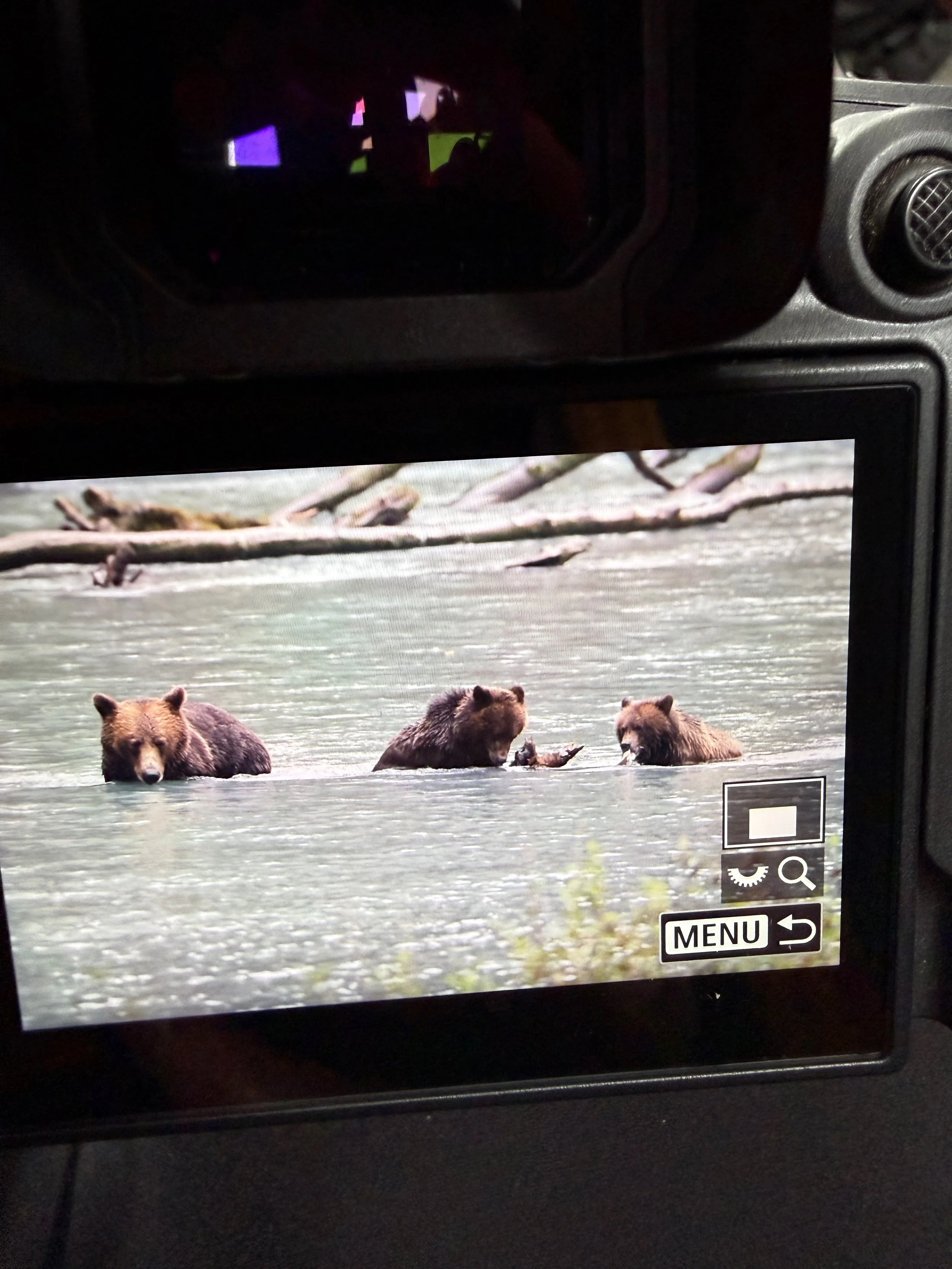
Lucky and her two cubs - Klahoose Wilderness
Ethics are central to how I evaluate workshops, but I’ve spent a lot of time thinking about how they fit into the overall review.
On the one hand, ethics deserve their own category. On the other hand, they naturally influence everything else.
For me, ethical concerns include things like baiting wildlife, applying pressure to animals for the sake of a shot, chasing animals that have clearly disengaged, or disregarding habitat and behavior in pursuit of images. If a workshop claims to be ethical but I observe behavior like this in the field, that is a significant failure in my eyes.
At the same time, I don’t want every workshop review to be an ethics essay. A workshop is more than that. It includes learning, logistics, instruction, and overall experience. So while ethics stands alone as a category, it also quietly cuts across everything else.
My standards around ethics have grown as I’ve learned more about wildlife photography and wildlife behavior. Early on, I didn’t even realize ethics was a distinct conversation. As I learned more, felt more, and read more about how photographers can impact wildlife and their environments, my standards began to take shape. And I fully expect them to continue evolving.
Time of Day and Light
One non‑negotiable I initially overlooked, but that has become very important to me over time, is when we are actually shooting.
I have grown to care deeply about light. I want to be in the field during blue hour and golden hour, when the light is at its best and most intentional. Through my experiences in 2025, I’ve learned that shooting primarily in the middle of the day simply doesn’t work for me, regardless of how strong other aspects of a workshop or tour might be.
If a workshop or tour is structured around midday shooting, that may work perfectly well for someone else, but it doesn’t align with what I’m looking for. Light quality directly affects not only the images I make, but also how engaged and motivated I feel while shooting.
Because of that, I now pay close attention to how a workshop describes its shooting schedule and whether it is intentionally planned around the best available light. For photographers who care deeply about light, this is important information to have, and it’s something I now consider a non‑negotiable when evaluating whether a workshop is right for me.
I say this knowing full well that, like wildlife, the weather is unpredictable and that perfect morning and evening light may very well turn into a torrential downpour. I do plan, however, to increase my odds of good light opportunities by choosing workshops that intentionally prioritize excellent lighting.
Learning and Instruction, My Student Mindset
I approach photography workshops the same way I would approach a class.
For me, learning means walking away with increased confidence, new skills, and better decision‑making in the field. Those are baseline expectations. If I don’t experience growth in those areas, I question the workshop's overall effectiveness.
Teaching style matters, but I’m flexible. Some instructors are hands‑on, others are more observational. Some workshops are highly structured, others are more organic. There’s also an important distinction between a workshop that is primarily about learning and a tour that is more focused on access and wildlife availability. Sometimes you don’t fully understand which one you’re in until you’re there.
I’m also very aware of how a workshop serves photographers at different experience levels. A leader who spends most of their time shooting for themselves may not be a good fit for a brand‑new photographer. On the flip side, a workshop that spends a significant amount of time on Wildlife Photography 101 may not be the best use of time for an experienced shooter.
None of that makes a workshop bad. It simply makes it a better fit for some people than others.
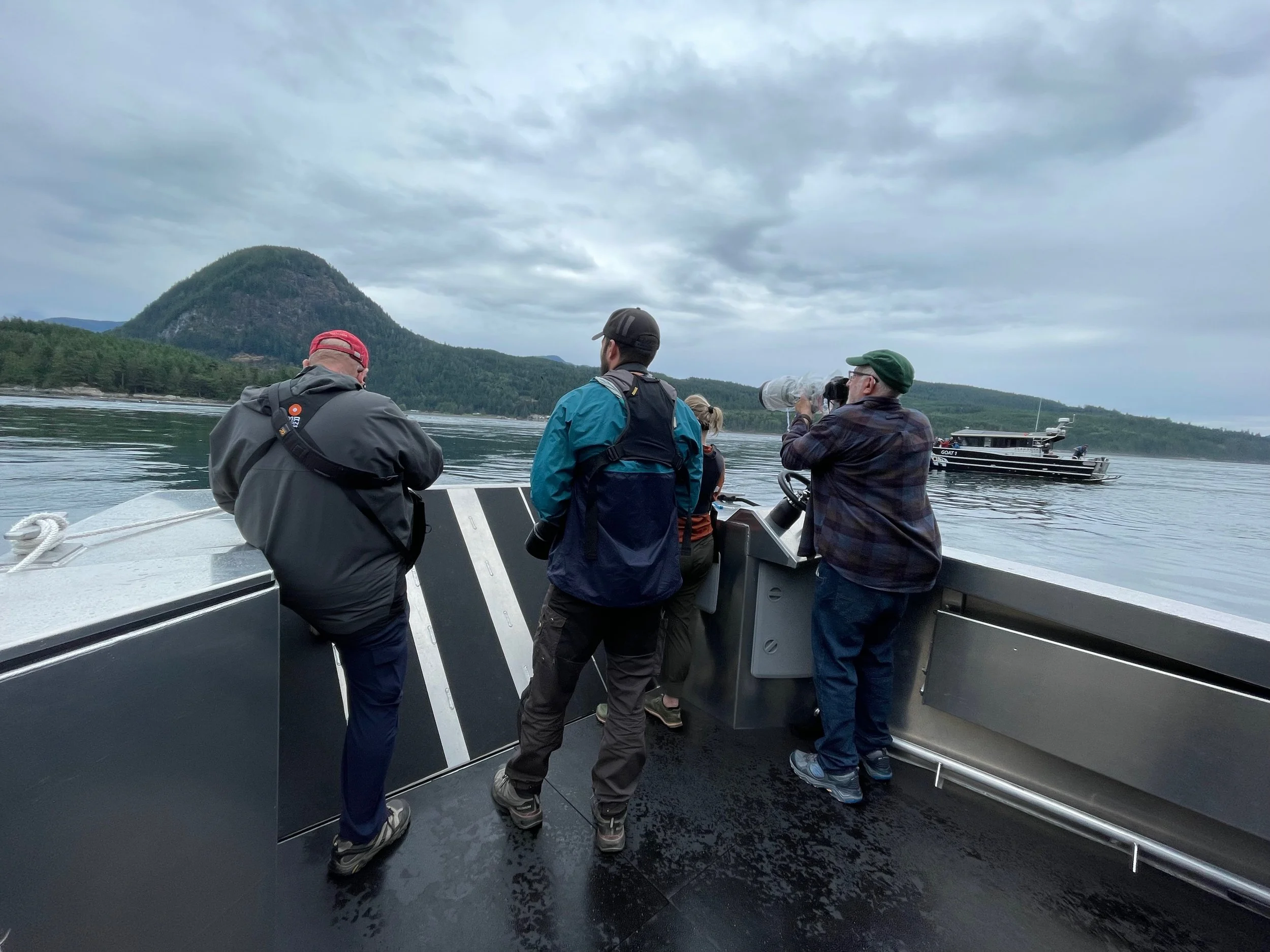
Shooting from the boat at Travis in the Bush Bald Eagle workshop
Workshop Culture and Group Dynamics
One area that doesn’t fit neatly into a single category, but that can have a significant impact on the overall experience, is workshop culture.
By culture, I mean how it feels to be part of the group and how the experience is shaped by the instructor’s tone, expectations, and behavior, as well as the dynamics among participants. This includes things like whether the environment feels welcoming or intimidating, collaborative or competitive, and whether participants are treated with respect regardless of experience level.
For me, culture shows up in subtle ways. How questions are received. Whether mistakes are treated as learning moments or inconveniences. Whether the instructor appears genuinely engaged with participants, or primarily focused on their own shooting. These things are difficult to quantify, but they matter.
A workshop can be well organized and technically sound, and still feel misaligned if the culture doesn’t support learning, curiosity, and inclusion. Conversely, a strong, supportive culture can elevate an experience even when conditions are challenging.
Because culture is shaped by many of the same factors I evaluate elsewhere, I don’t treat it as a single standalone score. Instead, I pay attention to how it shows up across instruction style, group size, communication, and overall support.
Logistics, Support, and Feeling Cared For
Logistics rates high for me.
If accommodations are included in the price of a workshop, I’m placing trust in the organizer to clearly communicate what’s included and to manage those details thoughtfully. The same is true for transportation, pacing, daily schedules, and communication.
One thing I didn’t anticipate when I signed up for my first workshop was how important it would become to feel cared for during the experience. The small touches matter. The sense that someone has thought through the details matters.
Many workshops are expensive and hard to reach. It’s reasonable to expect a well‑run experience. I have plenty of grace for the unexpected; wildlife photography is unpredictable by nature, but disorganization and poor communication are harder for me to overlook.
Pre‑ and post‑workshop support matters as well. I understand that most of these are small businesses without staff, but I do expect reasonable communication. If questions go unanswered for extended periods, or if post‑workshop clarification is met with upselling rather than support, that weighs into my evaluation.
The Flexible Categories
There are also categories that are more flexible for me.
Planned experiences when not shooting are nice to have, but not essential. Additional classroom instruction, such as Lightroom, Photoshop, or culling sessions, can be valuable, but their importance depends on the type of workshop and the price point. Accommodations also fall into this category to some degree; expectations change depending on cost and location.
Instruction style can also be flexible depending on the workshop’s intent. A highly guided learning experience and a more self‑directed field experience can both be valuable, as long as expectations are clear.
The Framework, As It Exists Today
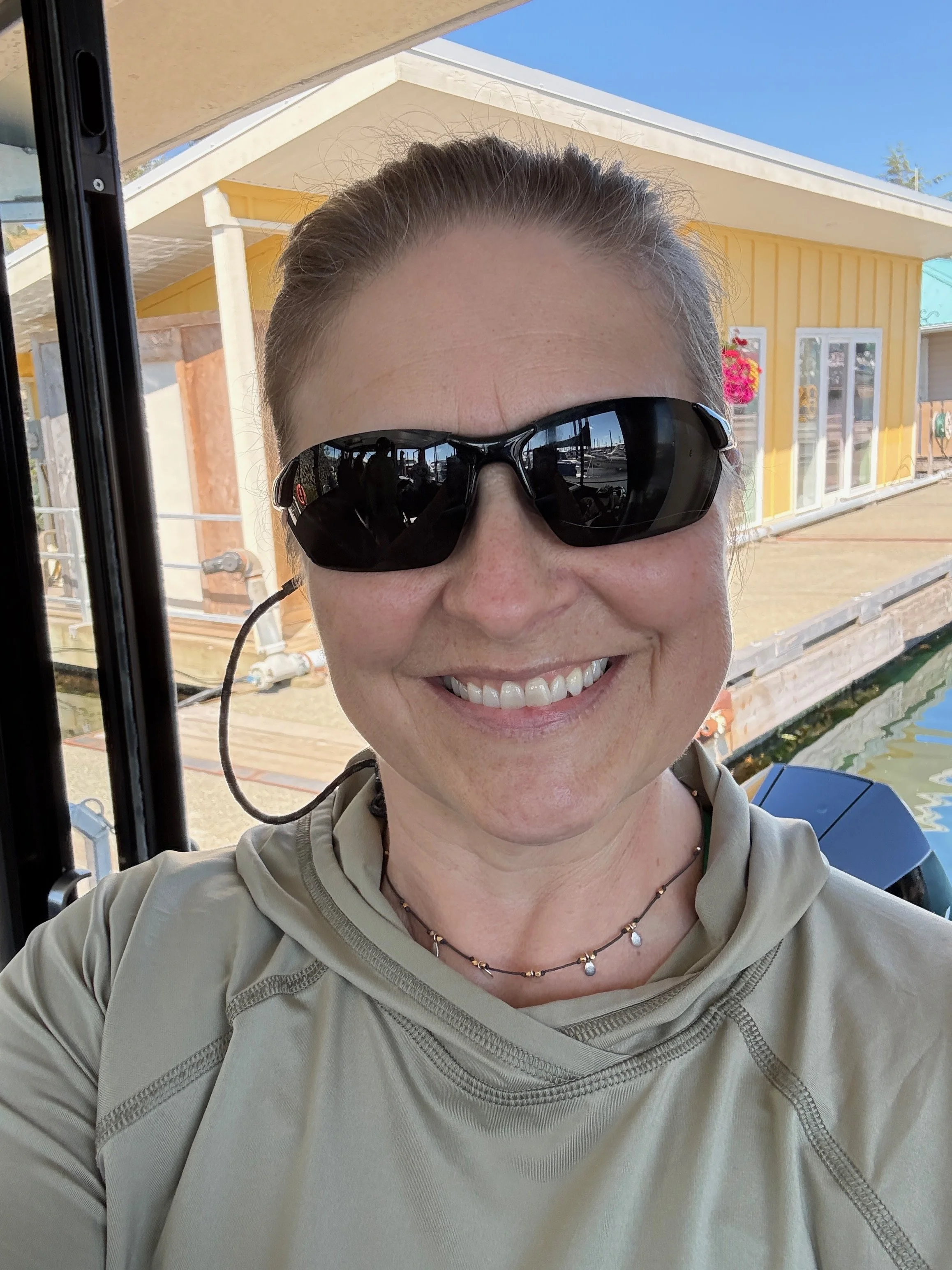
Getting ready to head to the Eagle Show!
To make this concrete, here is the order in which I currently evaluate a workshop:
Ethics
Time of day and shooting based around best light
Group size
Instruction style
Accommodations
Logistics and communication
Pre‑ and post‑workshop support
Learning outcomes
Additional classroom instruction
Planned non‑shooting experiences
Price and value alignment
This list is not fixed. I expect it to change, and I expect to revisit this post as my experience grows.
Transparency and Boundaries
I do not plan to use numerical scores in my reviews. At least not at this point.
I do plan to disclose whether I received any discounts and any relationship I may have with an instructor or organization. My reviews are based solely on my experience, and that transparency matters to me.
Closing the Loop
This post is a natural follow-up to my first post, where I shared why I do photography workshops and why I decided to start reviewing them.
👉https://www.mywildlifechronicles.com/journal/why-i-do-photography-workshops-and-review-them
This one explains how I think about those experiences.
My hope is that readers walk away understanding how I evaluate workshops, trusting the lens through which my future reviews are written, and maybe even reflecting on what matters most to them when choosing a workshop.
You don’t have to agree with my criteria. You just need to understand them.
That context is what I’ll be carrying forward into every workshop review I write.